
Art Sculptures
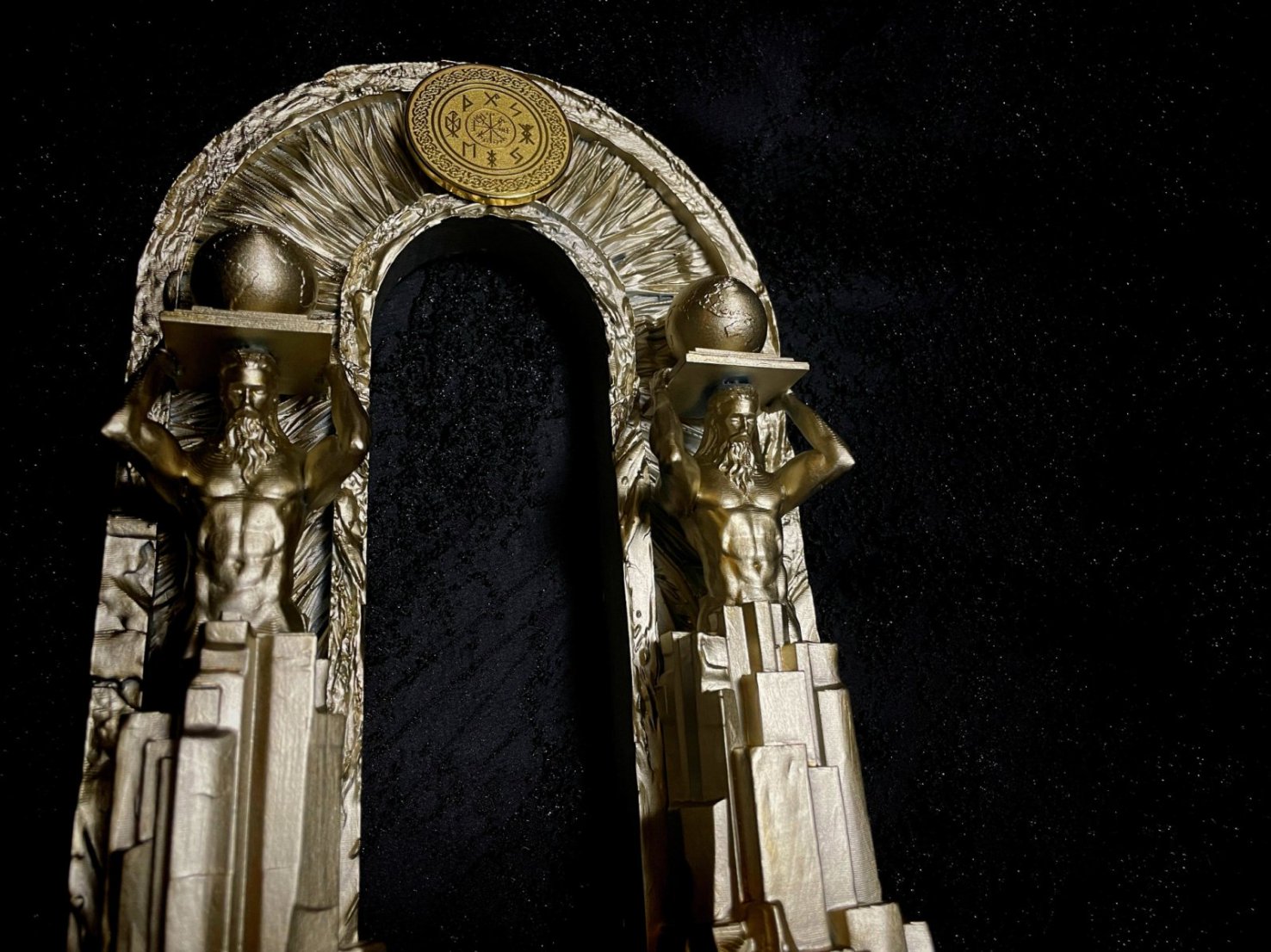
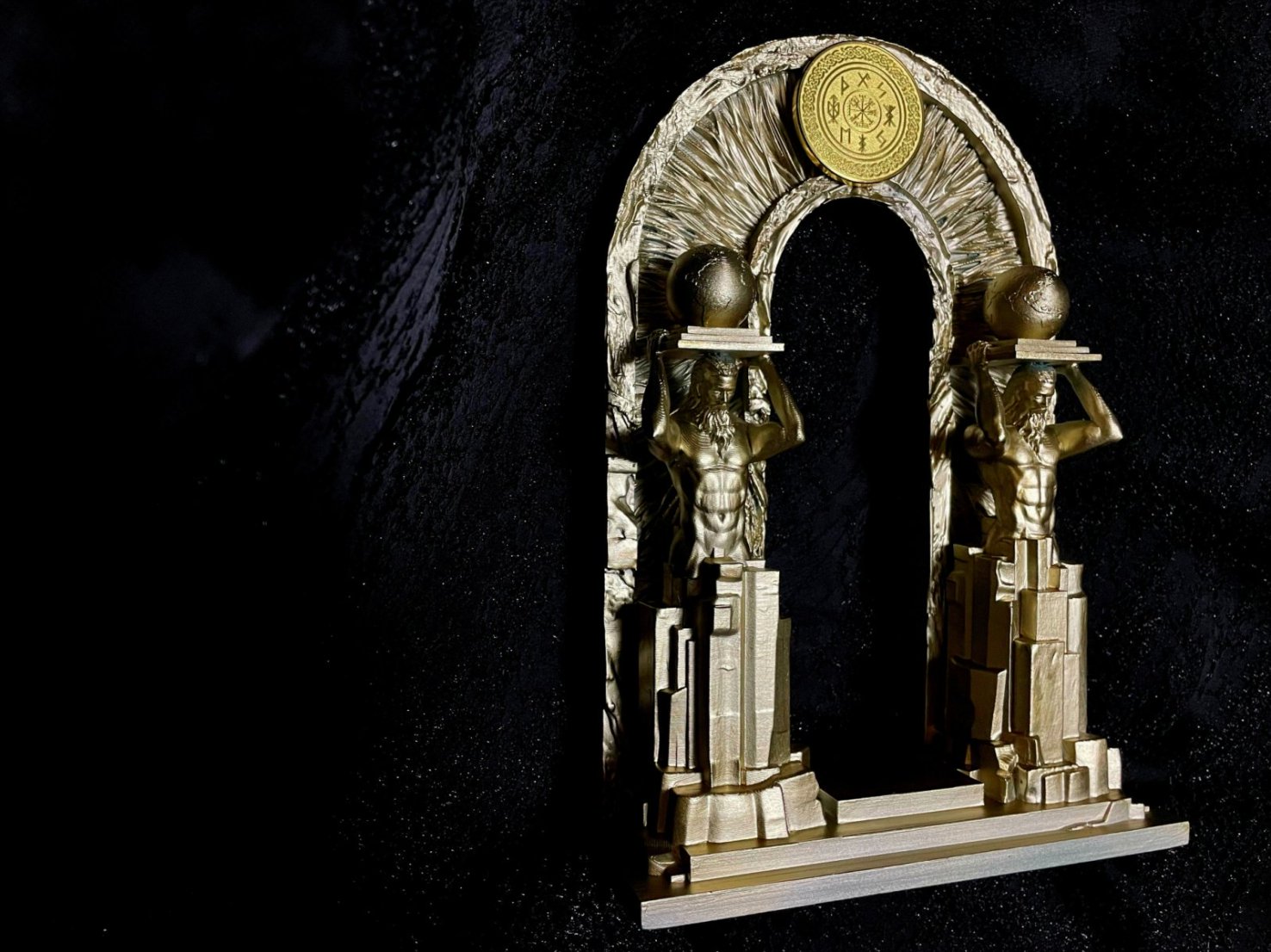
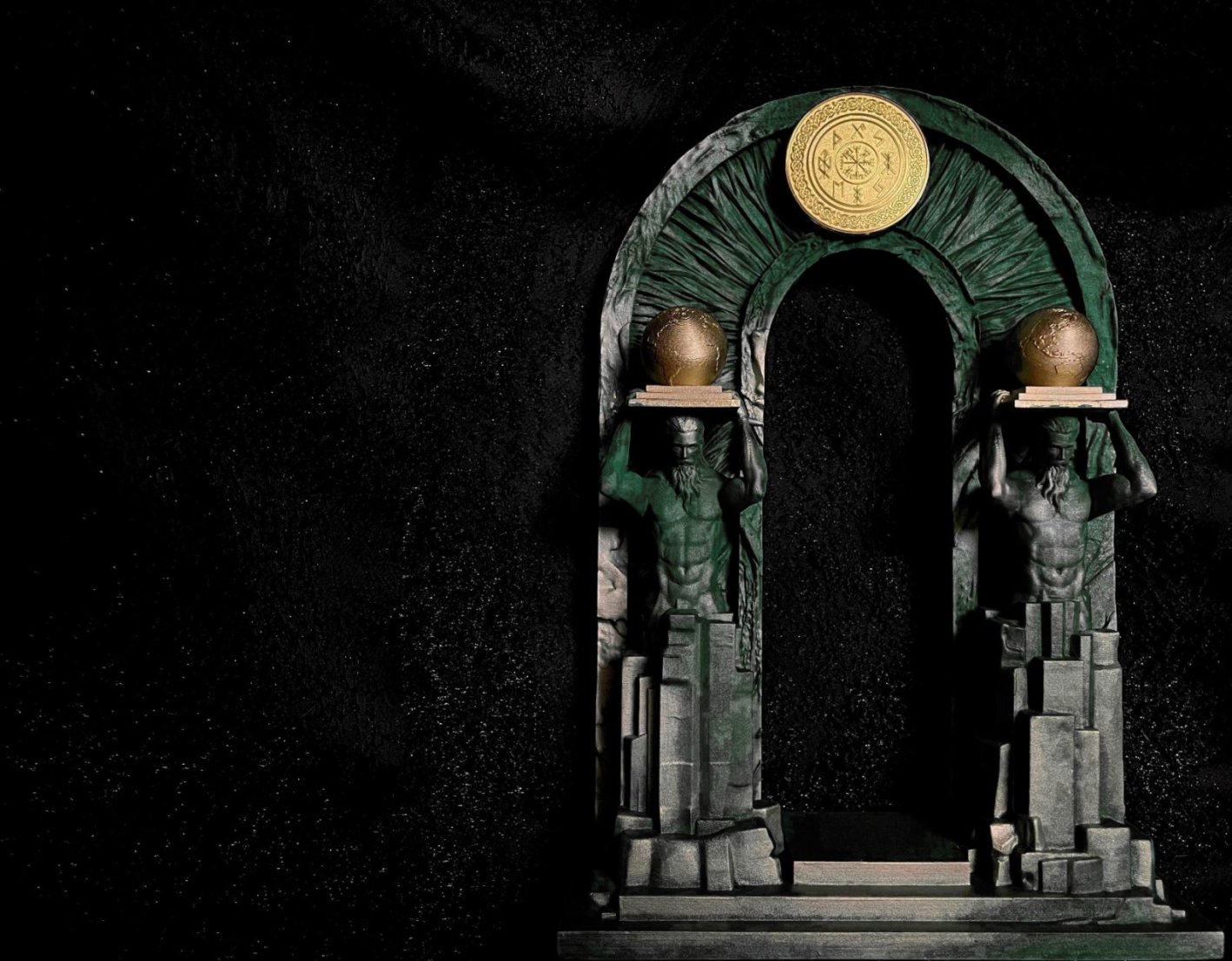
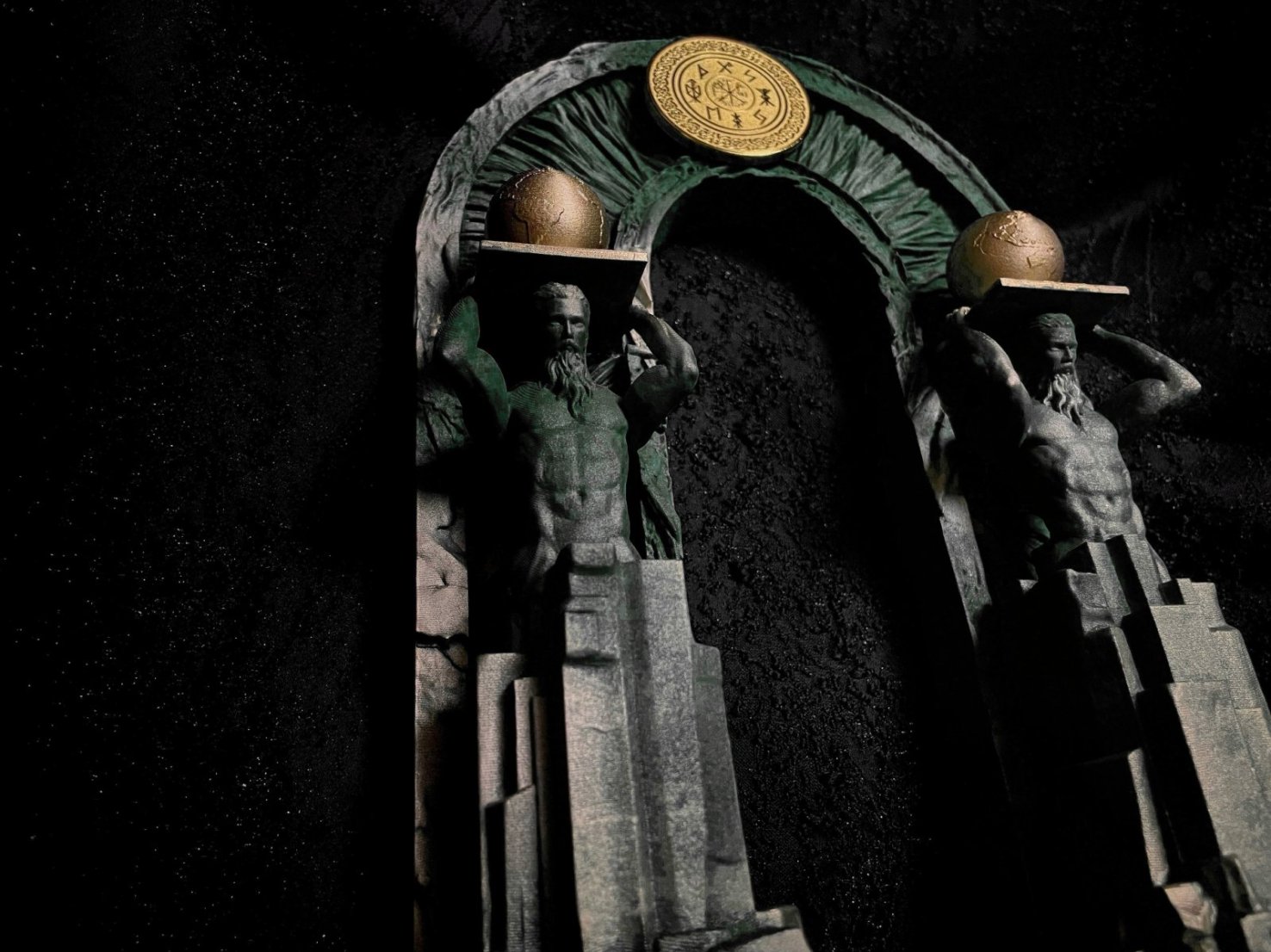
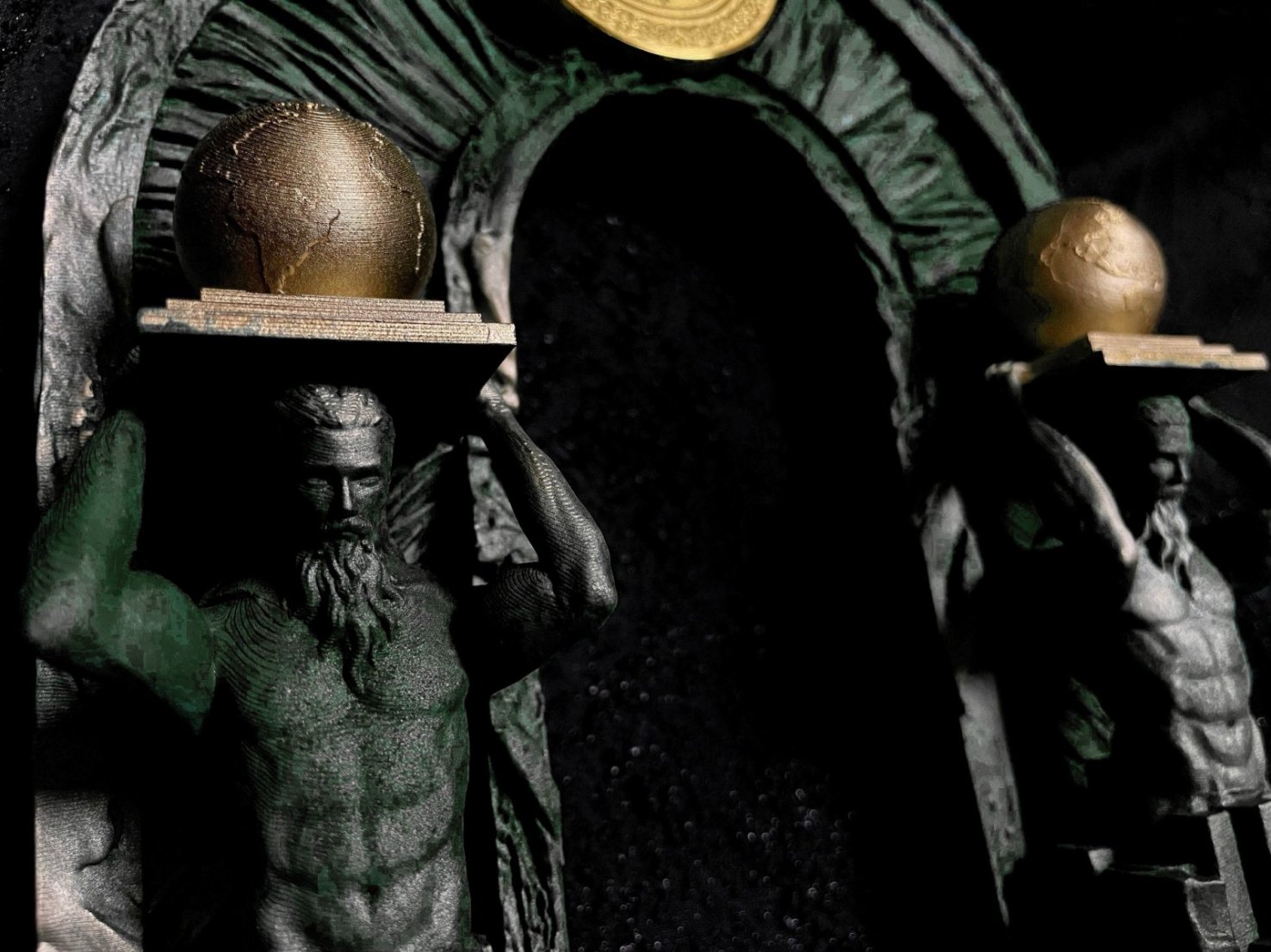
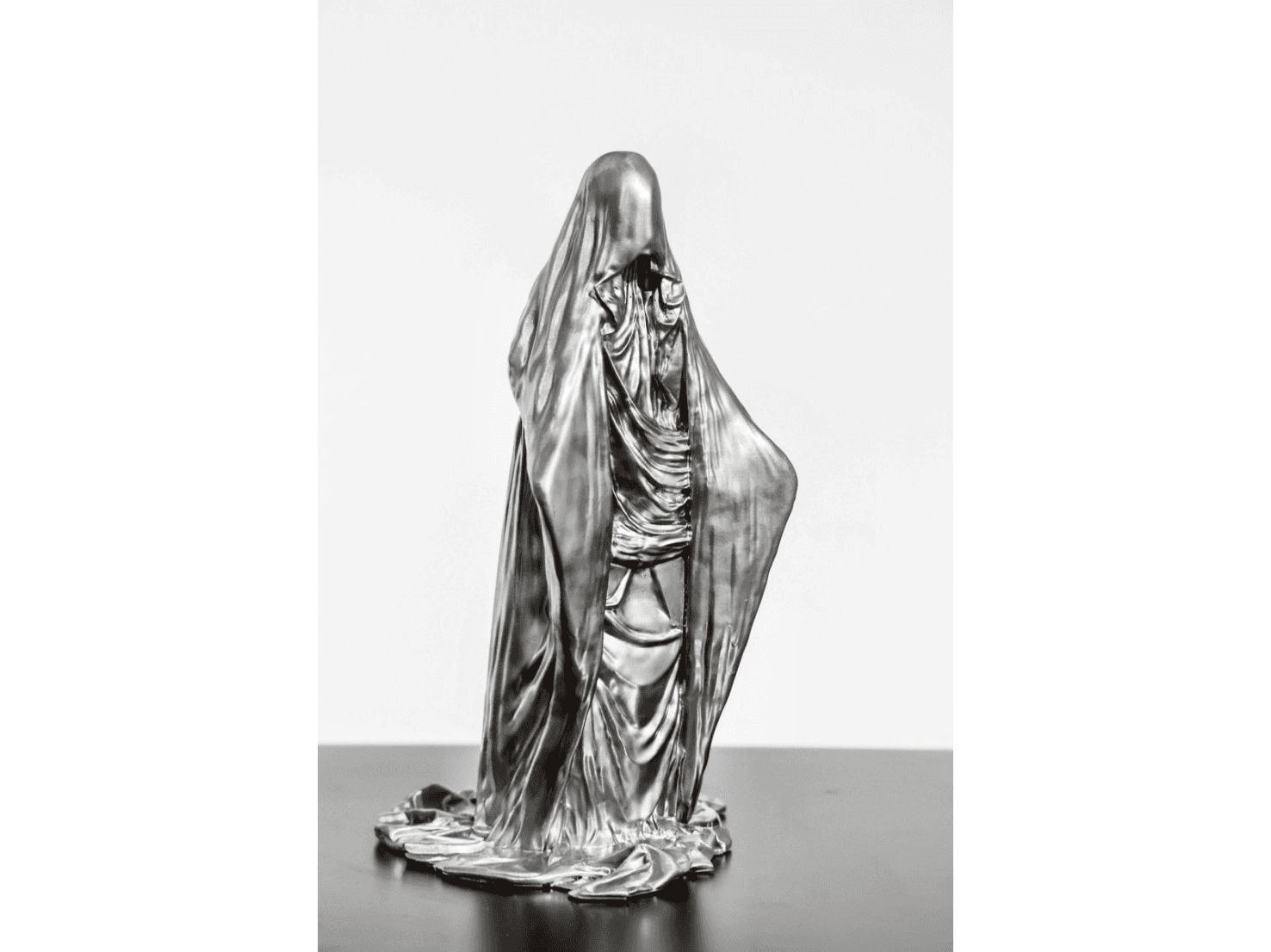
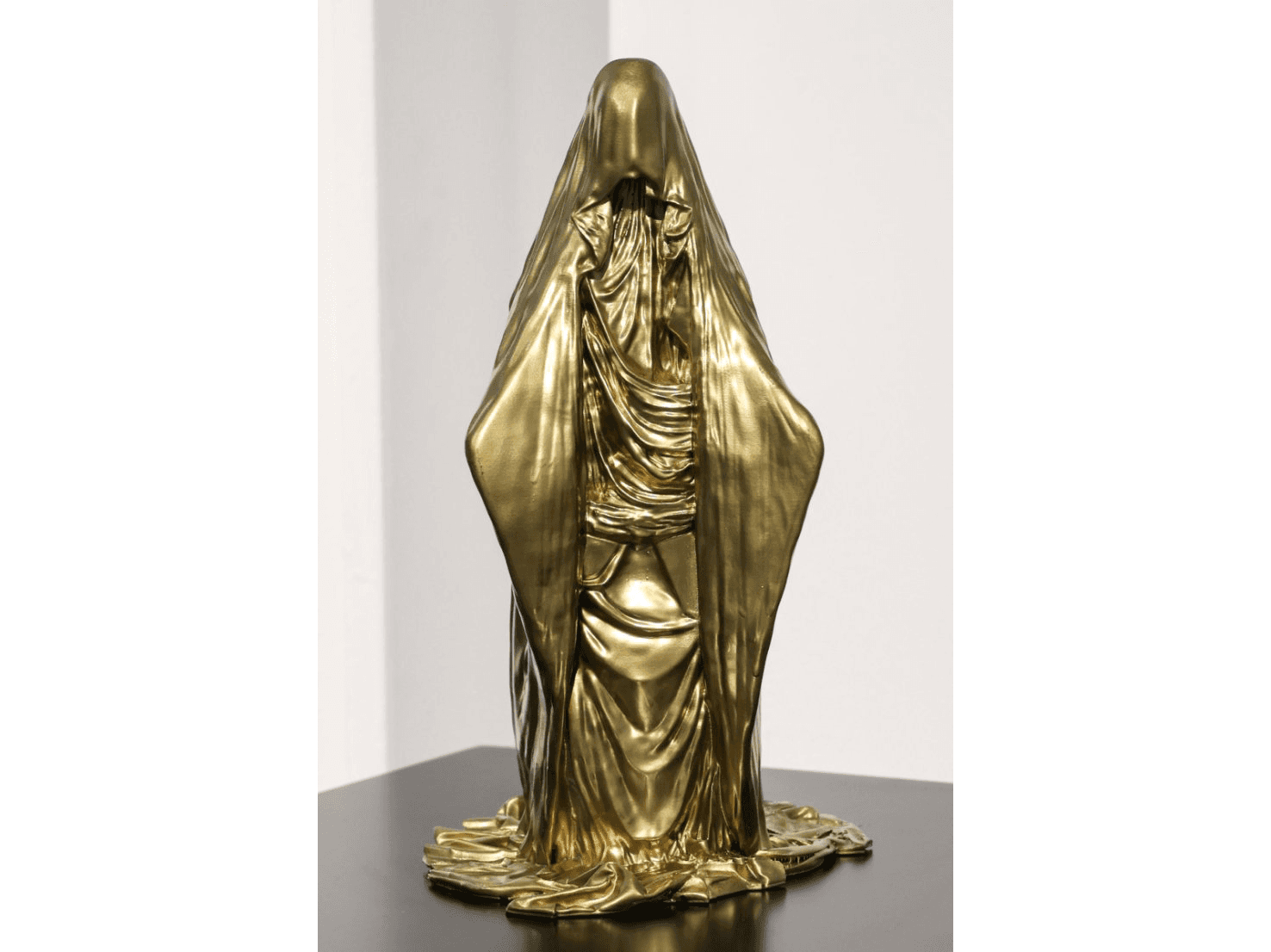
In Ray’s sculptural practice, He takes point of departure the beliefs of the ancient Vikings and their fearless urge to voyage into an unknown future—a strong will that have no fear to on moving forward through storms and fogs. At the same time, He weave in contemporary humanistic thought, individual experience, and today’s spiritual disquiet, so that the works are not merely re-tellings of ancient myth, but function as “contemporary relics” that speak to the present.
Each piece is grounded in traditional craftsmanship: hand-modelling, carving, polishing, and the controlled shaping of texture all preserve the direct dialogue between artist and material. Alongside this, Ray integrate new materials and modern technologies, allowing metal, resin, mineral, light, and emotions to enter into conversation within a single work.
Ultimately, Ray hope each sculpture can serve as a temporary waystation for the spirit—a place where viewers are moved to slow down, to stand still, and, in the play of light and shadow, to re-examine their own beliefs, fears, desires, and visions of the future.
Art Sculptures
In Ray’s sculptural practice, He takes point of departure the beliefs of the ancient Vikings and their fearless urge to voyage into an unknown future—a strong will that have no fear to on moving forward through storms and fogs. At the same time, He weave in contemporary humanistic thought, individual experience, and today’s spiritual disquiet, so that the works are not merely re-tellings of ancient myth, but function as “contemporary relics” that speak to the present.
Each piece is grounded in traditional craftsmanship: hand-modelling, carving, polishing, and the controlled shaping of texture all preserve the direct dialogue between artist and material. Alongside this, Ray integrate new materials and modern technologies, allowing metal, resin, mineral, light, and emotions to enter into conversation within a single work.
Ultimately, Ray hope each sculpture can serve as a temporary waystation for the spirit—a place where viewers are moved to slow down, to stand still, and, in the play of light and shadow, to re-examine their own beliefs, fears, desires, and visions of the future.
Art Embroidery —
“Wireless Composition”
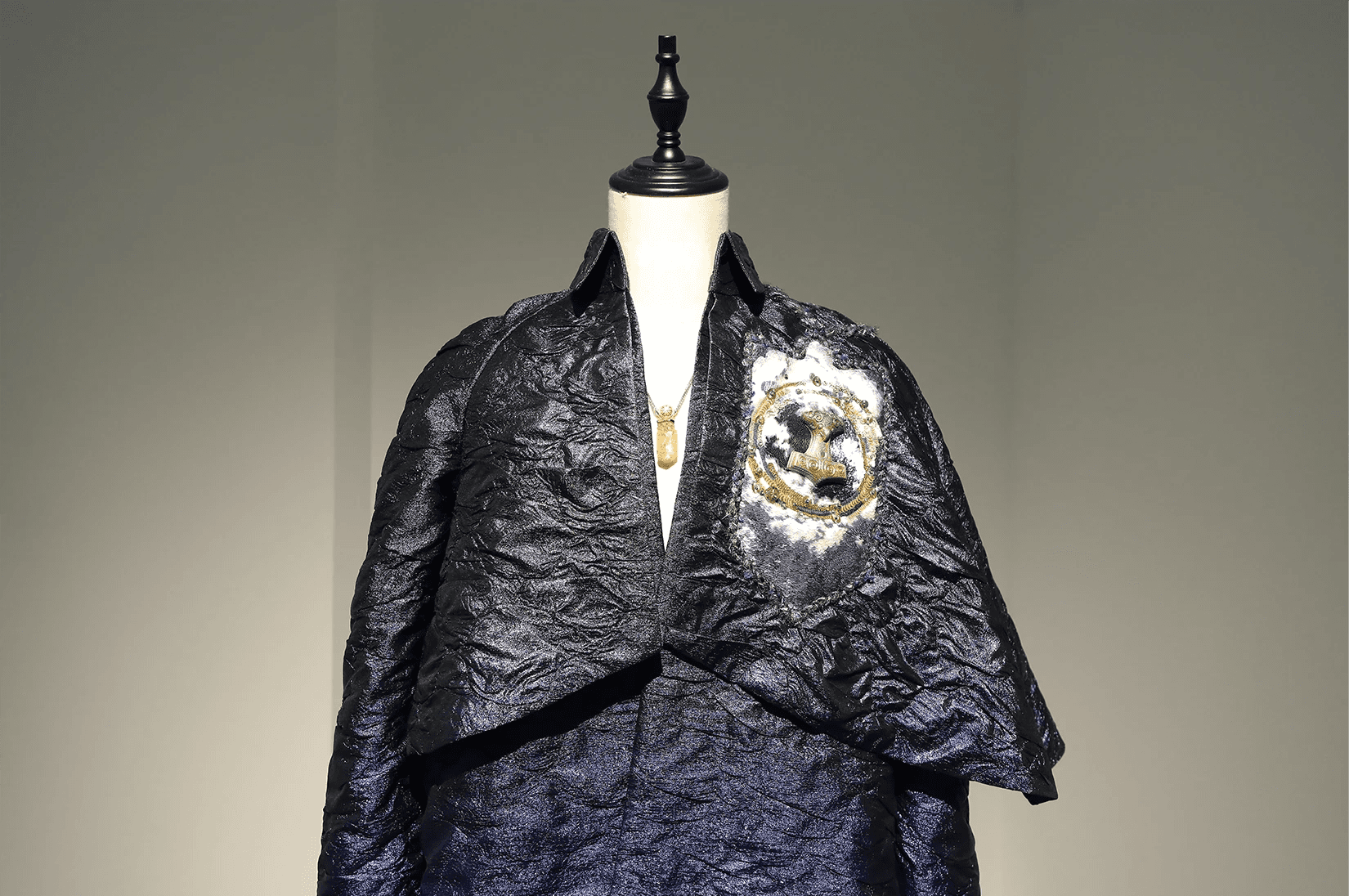
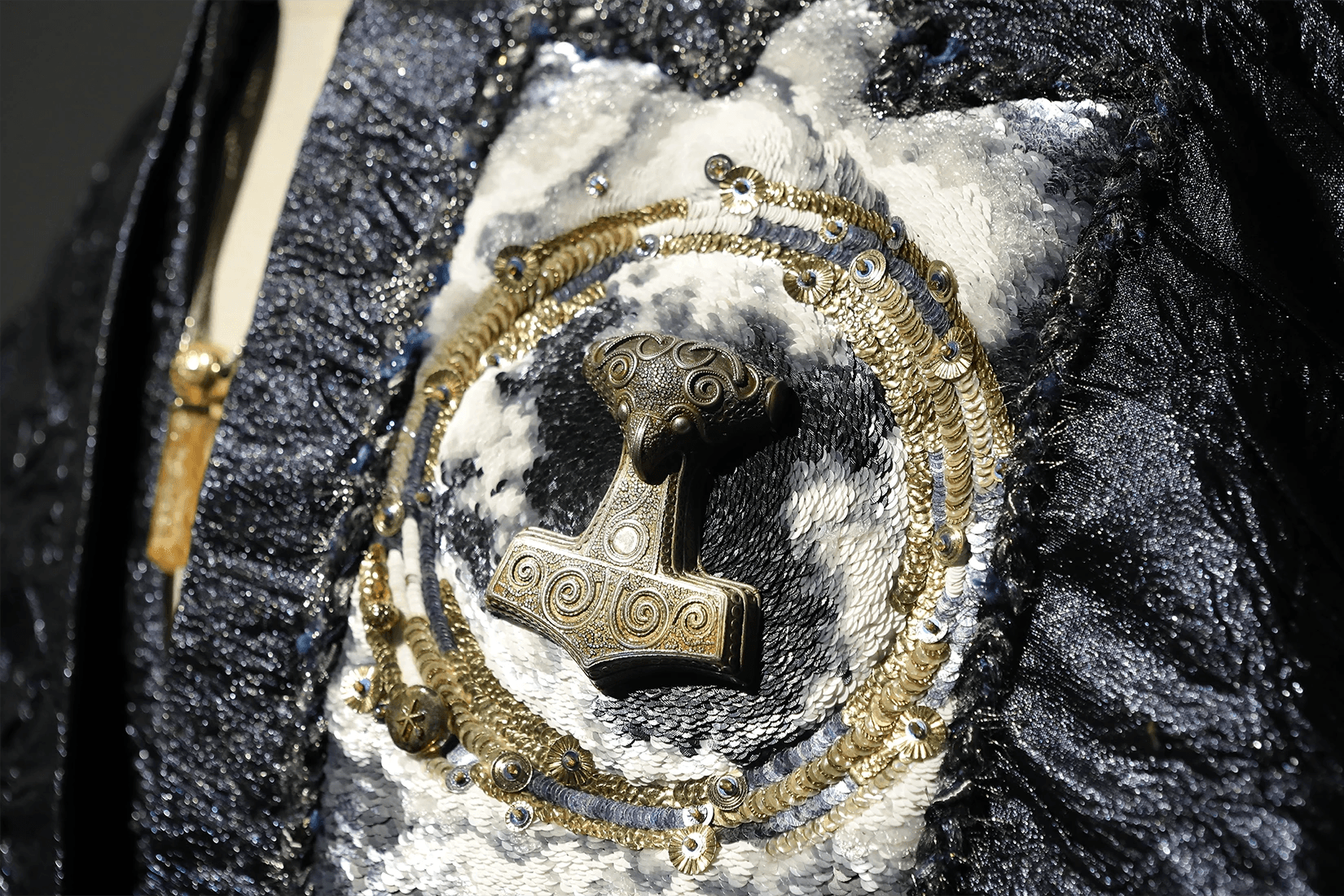
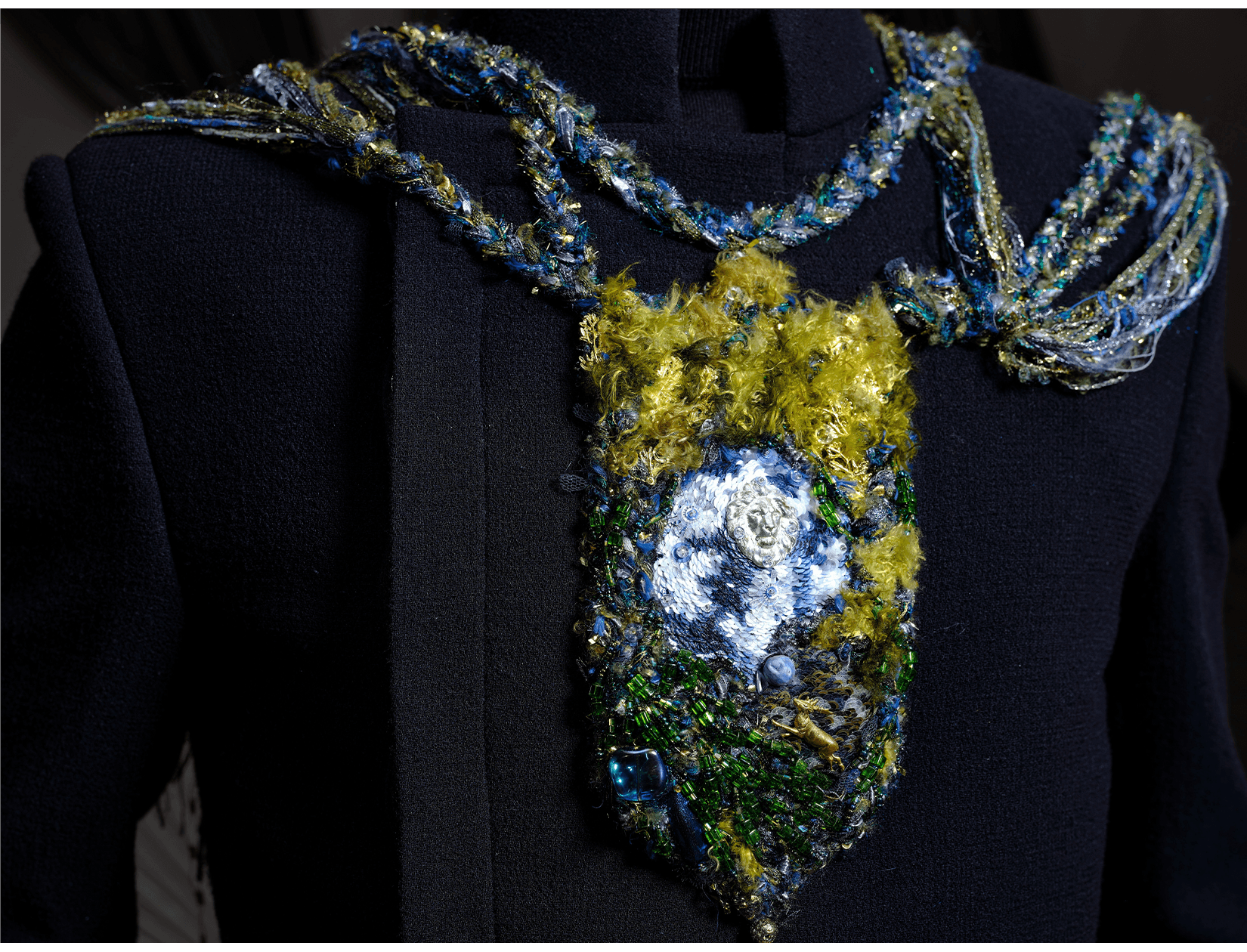
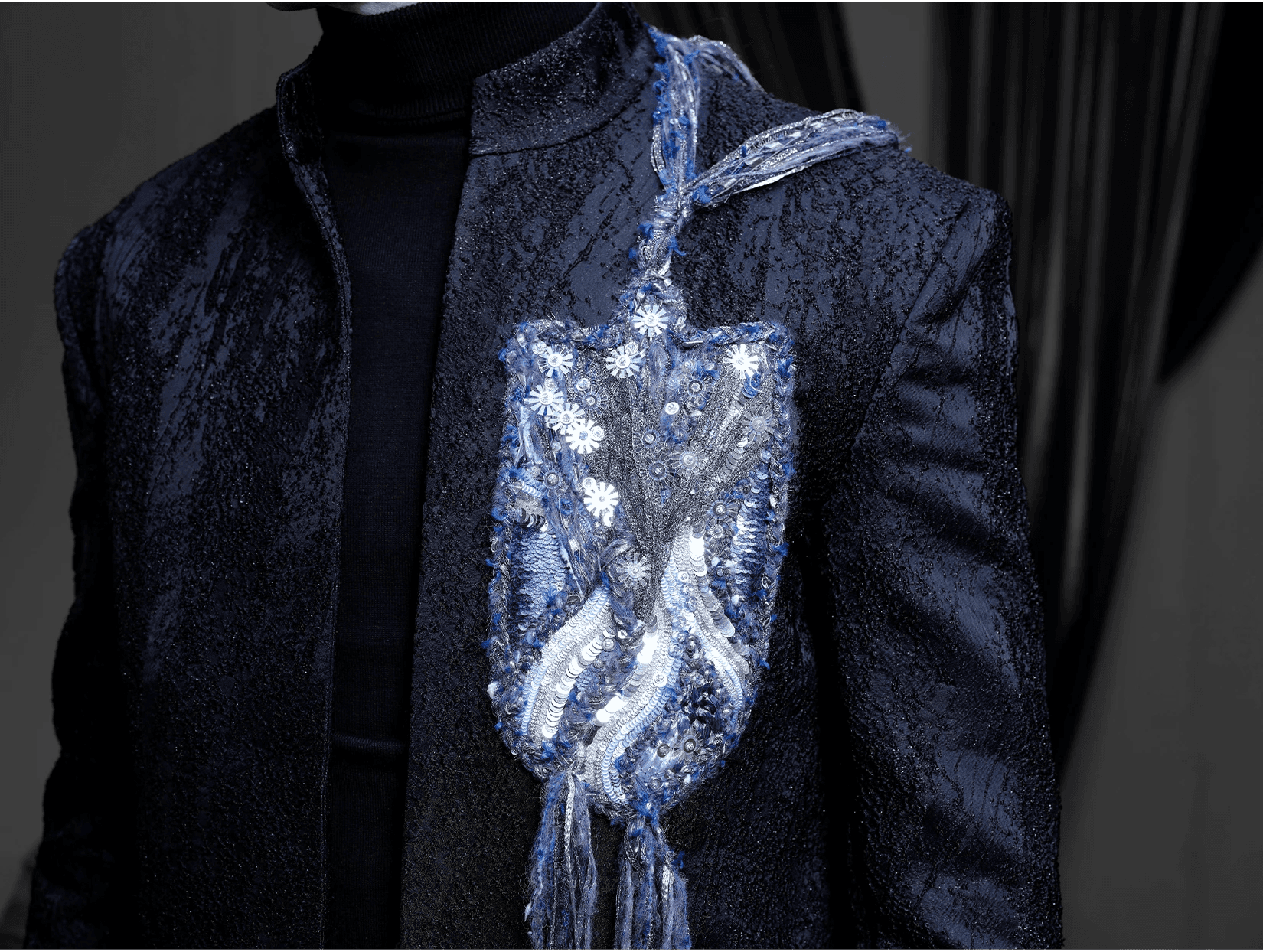
In conventional French couture embroidery, coloured thread is used as a distinctive decorative element. It is often combined with sequins, rhinestones, or feathers, allowing materials to be rapidly chained together to create dense, opulent surfaces. This effect can be striking and theatrical; however, the reliance on single threads, larger needles, and a lack of consideration for the weight and tension of the embellishments often leads to structural issues. Over time, many such embroideries loosen, shed elements, or pull and distort the base fabric.
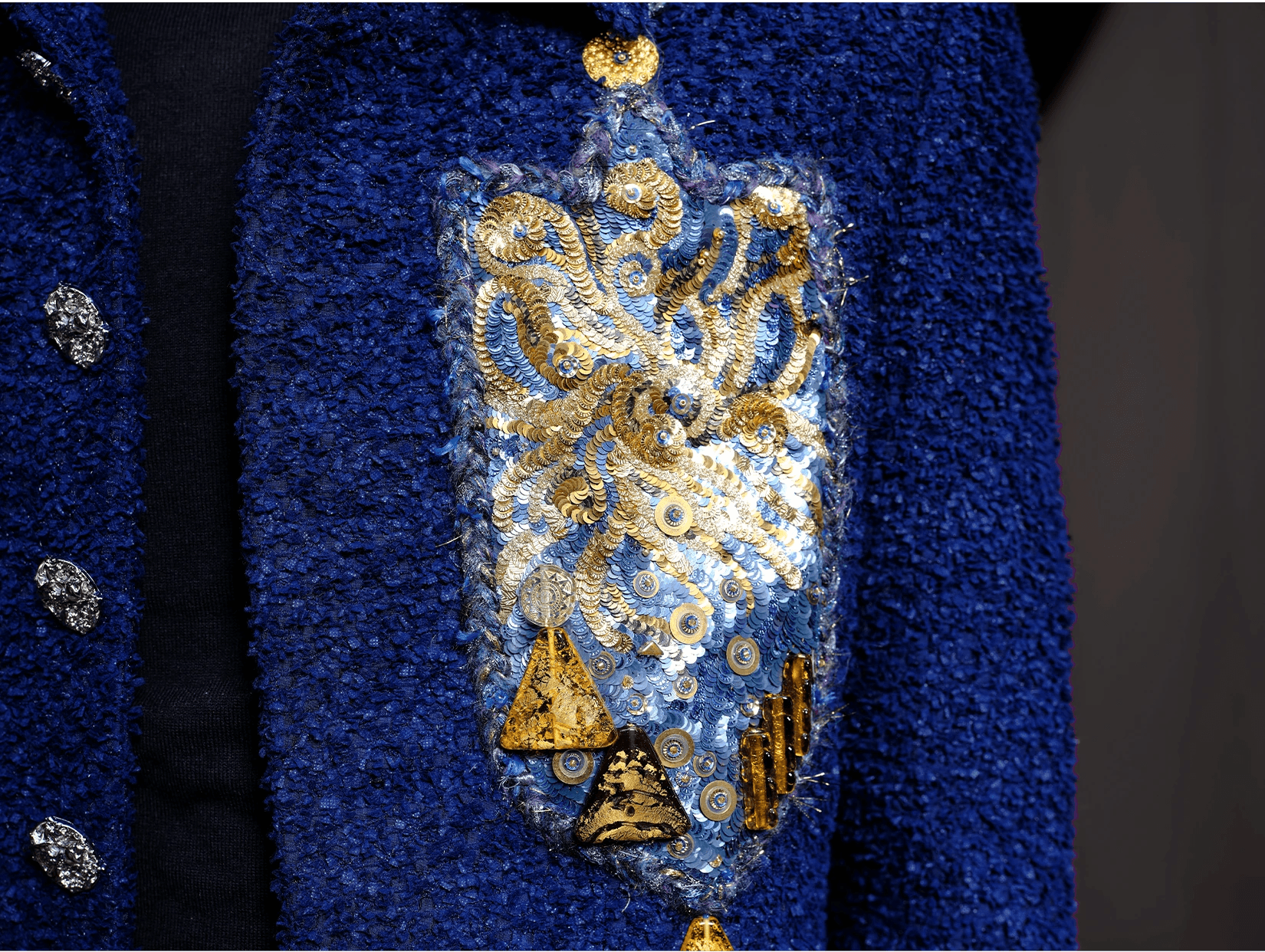
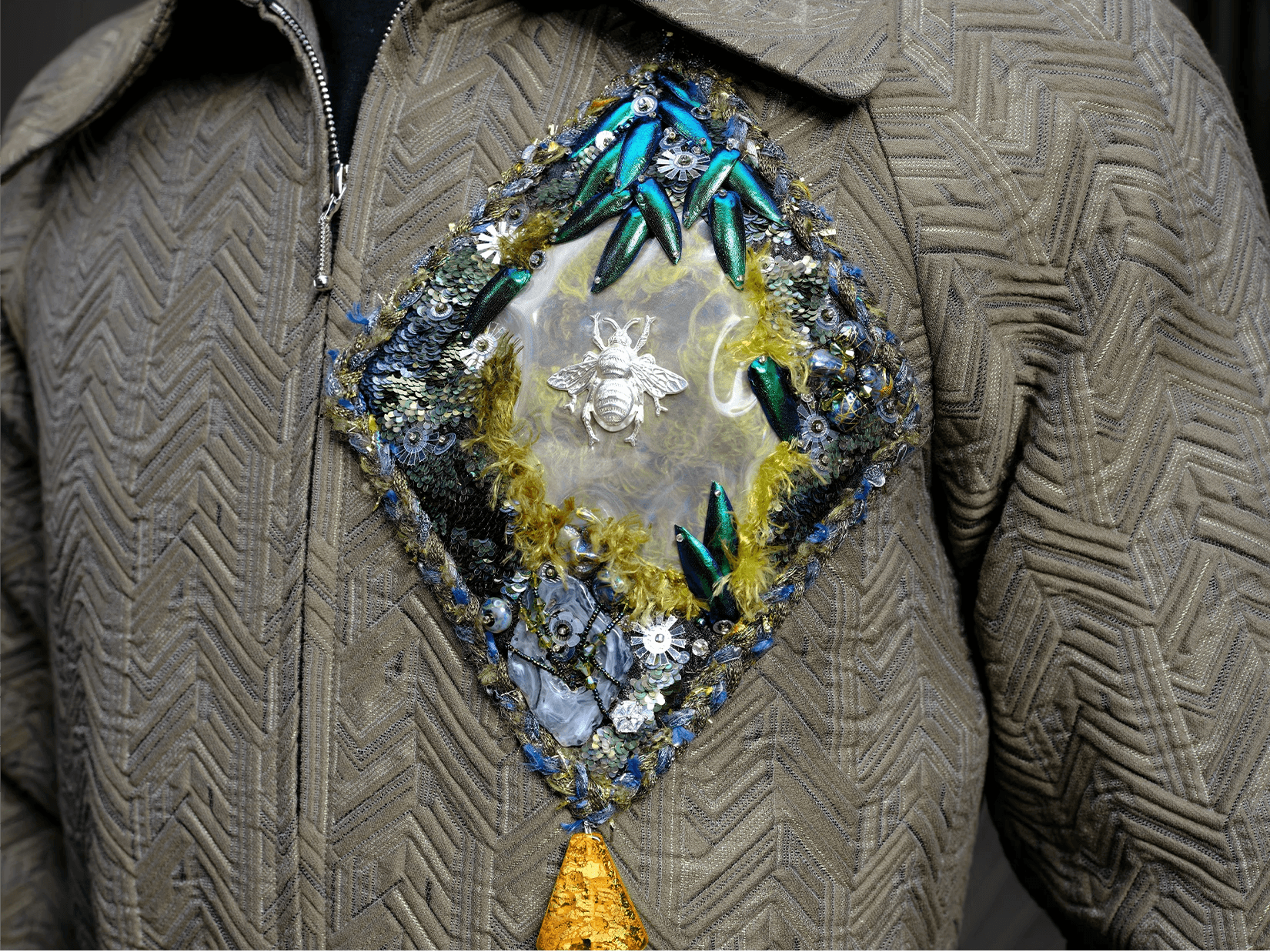
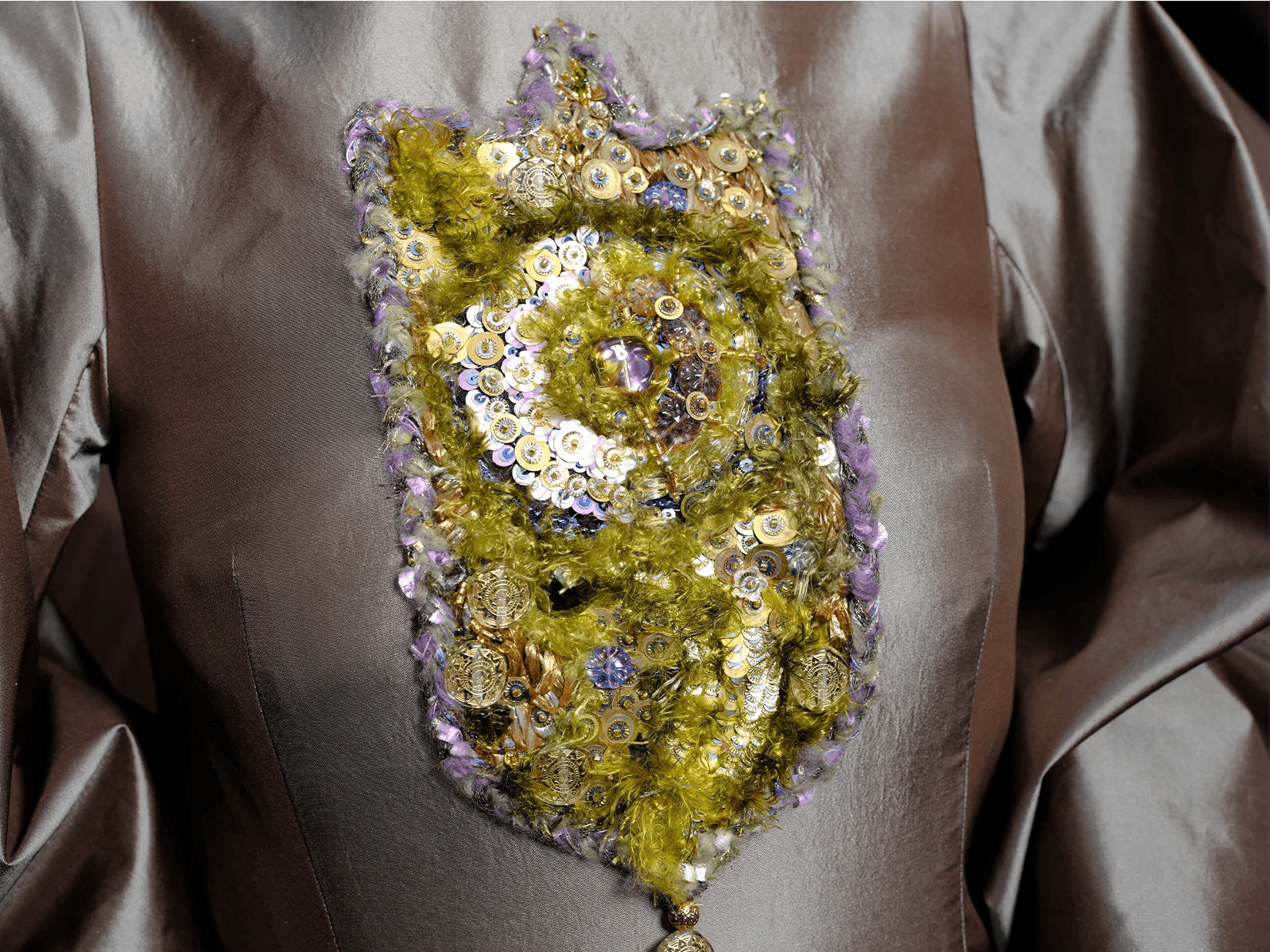
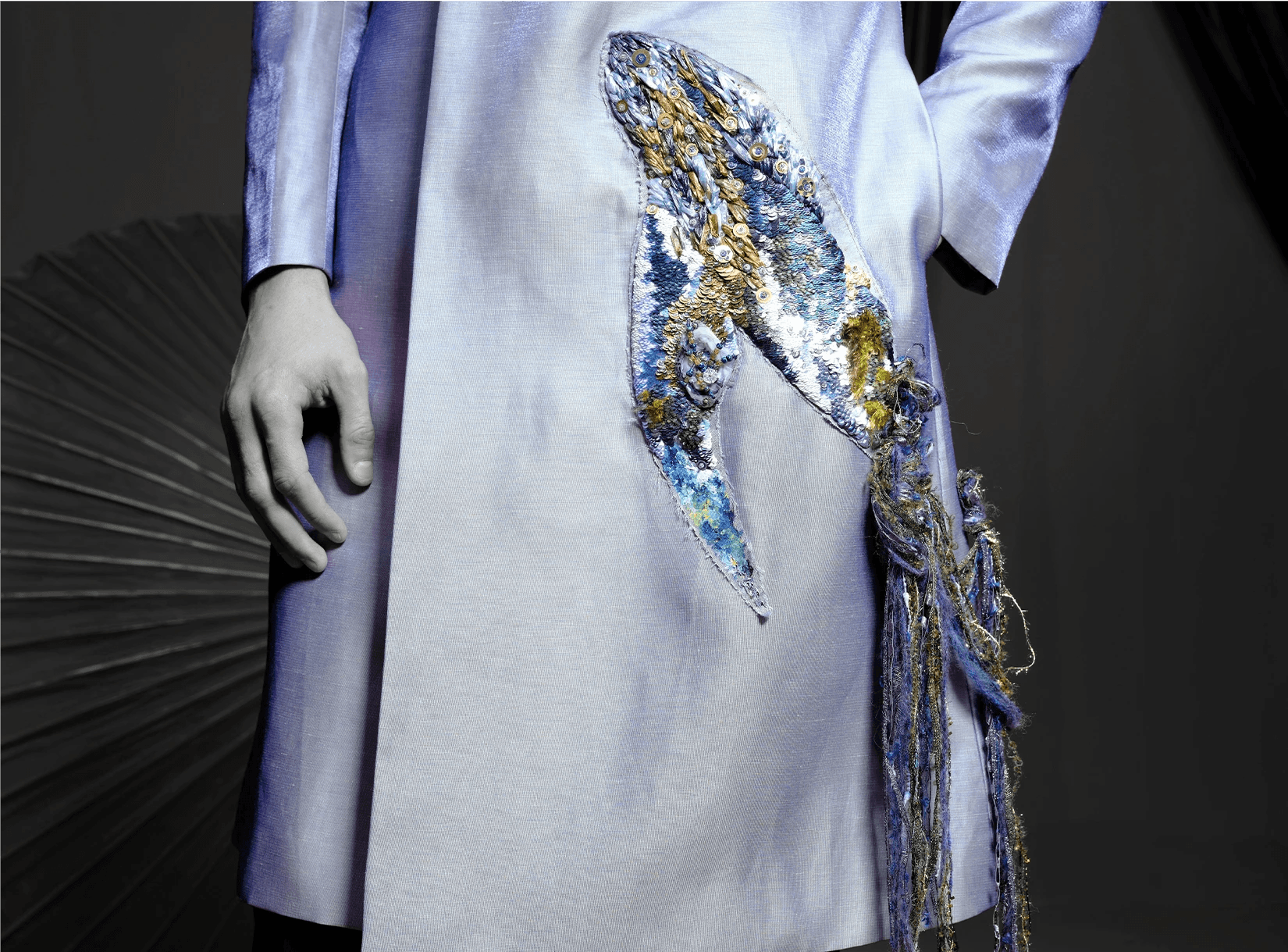
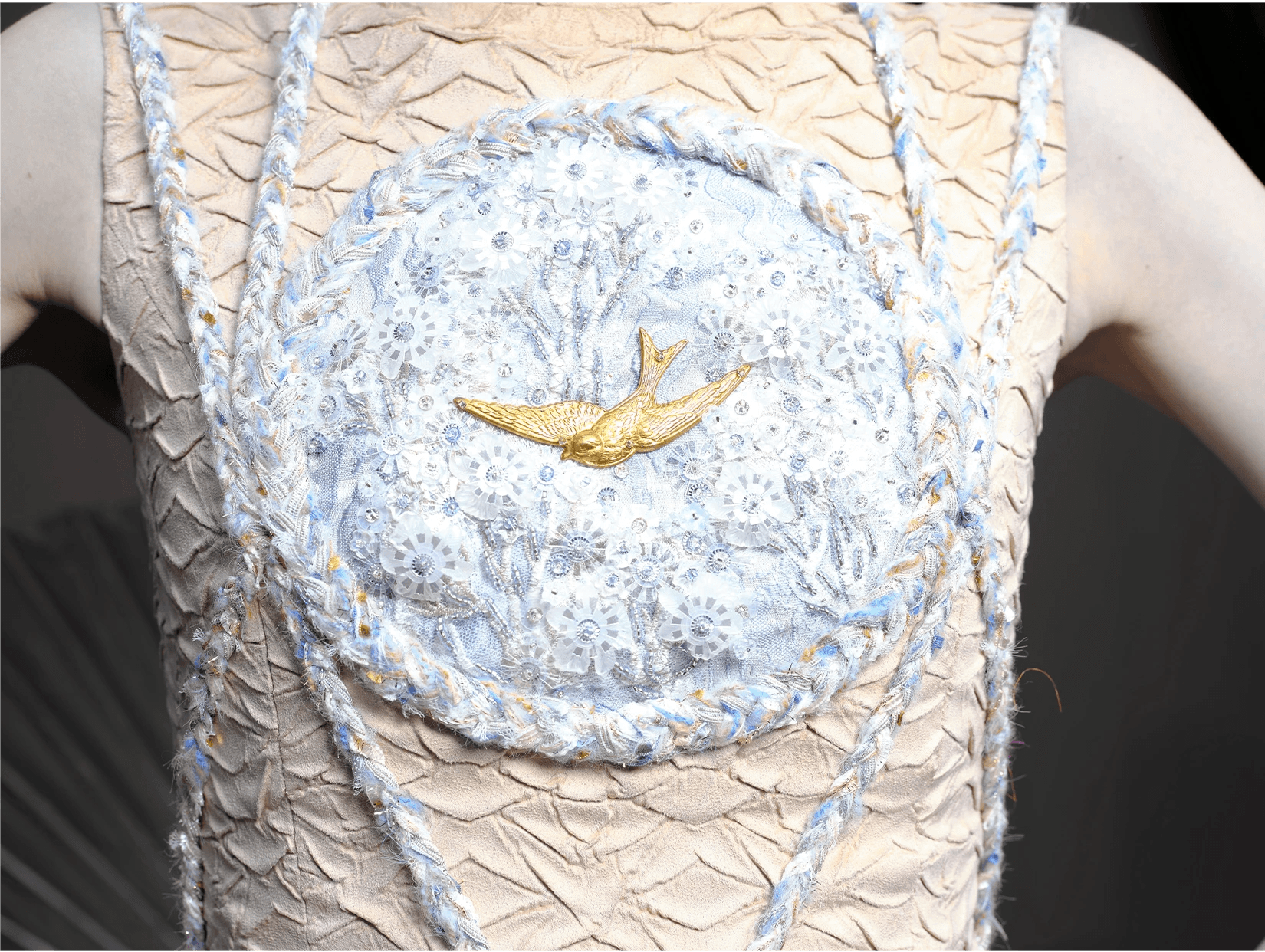
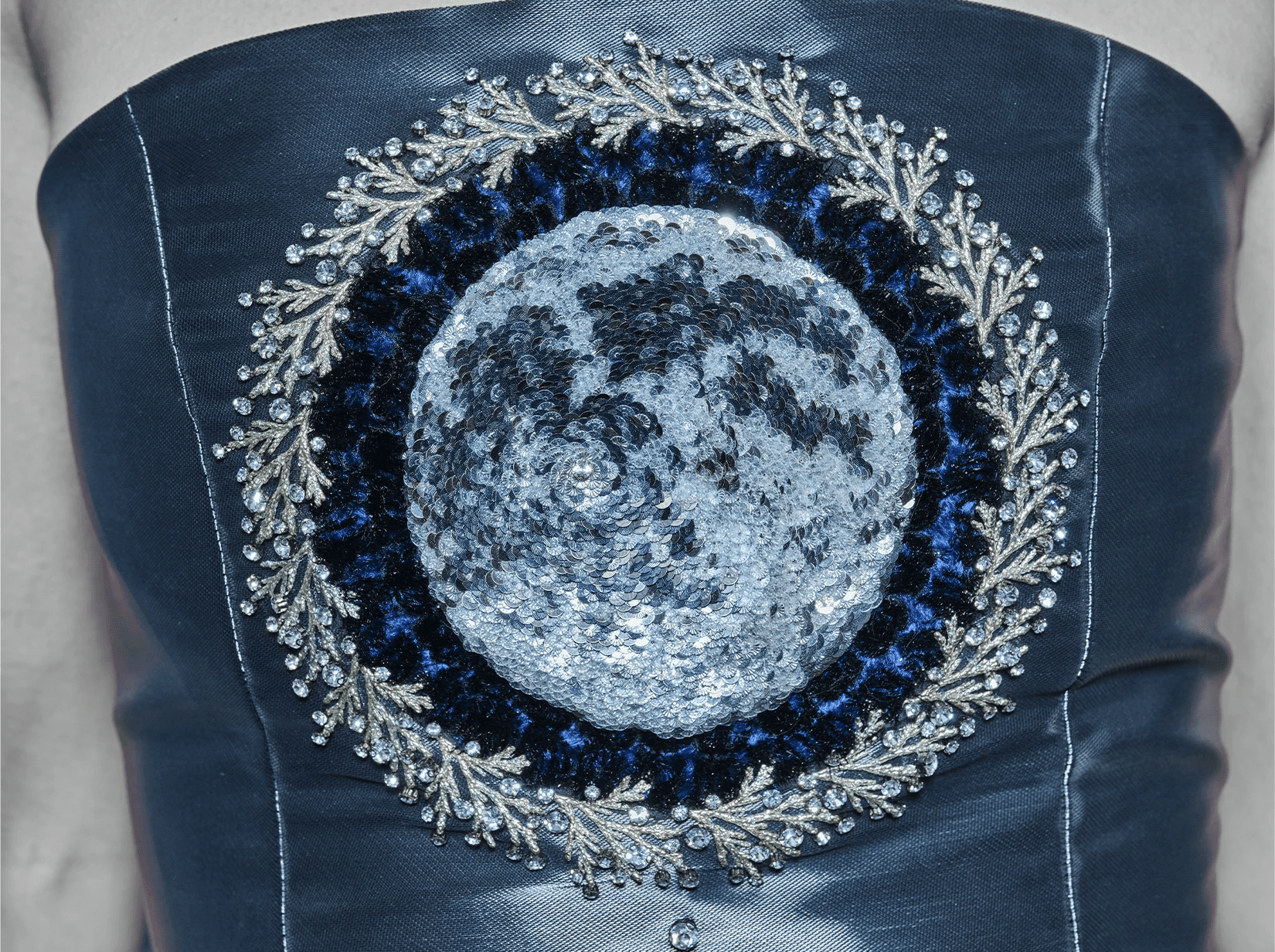
Ray Sorlentyr departs from the traditional French crochet-based method, and has developed a new approach he calls “Wireless Composition”. Working on a wide range of textiles, he uses classical hand-stitching from the front of the fabric with double-stranded thread, anchoring every element at intervals of just 0.5–1 mm. Each material is placed with precision, and every visible thread is carefully concealed. This process takes up to four times longer than conventional French embroidery, but the result is a surface that behaves less like embellishment and more like a painting: motifs appear as subtle, flowing gradients, while sequins, rhinestones, and even advanced contemporary materials interact to form a unified, luminous embroidered tableau.
Beyond technique, Ray seeks to transform embroidery into a language for expressing contemporary human experience. His works respond to the emotional climate of our time—the turbulence of identity, solitude, desire, and reconciliation—and translate these currents into shifts of colour, density, and texture. Each piece becomes both an observation of the external world and a journey inward: a quiet exploration of
the soul’s landscape.
As viewers follow the transitions of tone, the layering of materials, and the near-invisible pathways of thread, they are invited to pause—projecting their own memories, anxieties, and longings onto the work. In this intimate encounter, embroidery becomes a medium for re-sensing our present condition and re-locating ourselves within the ever-shifting map
of inner worlds.
Art Embroidery — “Wireless Composition”
In conventional French couture embroidery, coloured thread is used as a distinctive decorative element. It is often combined with sequins, rhinestones, or feathers, allowing materials to be rapidly chained together to create dense, opulent surfaces. This effect can be striking and theatrical; however, the reliance on single threads, larger needles, and a lack of consideration for the weight and tension of the embellishments often leads to structural issues. Over time, many such embroideries loosen, shed elements, or pull and distort the base fabric.
Ray Sorlentyr departs from the traditional French crochet-based method, and has developed a new approach he calls “Wireless Composition”. Working on a wide range of textiles, he uses classical hand-stitching from the front of the fabric with double-stranded thread, anchoring every element at intervals of just 0.5–1 mm. Each material is placed with precision, and every visible thread is carefully concealed. This process takes up to four times longer than conventional French embroidery, but the result is a surface that behaves less like embellishment and more like a painting: motifs appear as subtle, flowing gradients, while sequins, rhinestones, and even advanced contemporary materials interact to form a unified, luminous embroidered tableau.
Beyond technique, Ray seeks to transform embroidery into a language for expressing contemporary human experience. His works respond to the emotional climate of our time—the turbulence of identity, solitude, desire, and reconciliation—and translate these currents into shifts of colour, density, and texture. Each piece becomes both an observation of the external world and a journey inward: a quiet exploration of the soul’s landscape.
As viewers follow the transitions of tone, the layering of materials, and the near-invisible pathways of thread, they are invited to pause—projecting their own memories, anxieties, and longings onto the work. In this intimate encounter, embroidery becomes a medium for re-sensing our present condition and re-locating ourselves within the ever-shifting map of inner worlds.
Art Embroidery —
“Wireless Composition”
In conventional French couture embroidery, coloured thread is used as a distinctive decorative element. It is often combined with sequins, rhinestones, or feathers, allowing materials to be rapidly chained together to create dense, opulent surfaces. This effect can be striking and theatrical; however, the reliance on single threads, larger needles, and a lack of consideration for the weight and tension of the embellishments often leads to structural issues. Over time, many such embroideries loosen, shed elements, or pull and distort the base fabric.
Ray Sorlentyr departs from the traditional French crochet-based method, and has developed a new approach he calls “Wireless Composition”. Working on a wide range of textiles, he uses classical hand-stitching from the front of the fabric with double-stranded thread, anchoring every element at intervals of just 0.5–1 mm. Each material is placed with precision, and every visible thread is carefully concealed. This process takes up to four times longer than conventional French embroidery, but the result is a surface that behaves less like embellishment and more like a painting: motifs appear as subtle, flowing gradients, while sequins, rhinestones, and even advanced contemporary materials interact to form a unified, luminous embroidered tableau.
Beyond technique, Ray seeks to transform embroidery into a language for expressing contemporary human experience. His works respond to the emotional climate of our time—the turbulence of identity, solitude, desire, and reconciliation—and translate these currents into shifts of colour, density, and texture. Each piece becomes both an observation of the external world and a journey inward: a quiet exploration of
the soul’s landscape.
As viewers follow the transitions of tone, the layering of materials, and the near-invisible pathways of thread, they are invited to pause—projecting their own memories, anxieties, and longings onto the work. In this intimate encounter, embroidery becomes a medium for re-sensing our present condition and re-locating ourselves within the ever-shifting map
of inner worlds.
(Navigation)
(Help)
Subscribe to our newsletter for new arrivals and special offers.
By subscribing to our newsletter, you agree to receive
emails from us and accept our Privacy Policy.
© 2025 All Rights Reserved